Caribbean Food Centennial: Beloved Dishes That Define a Region
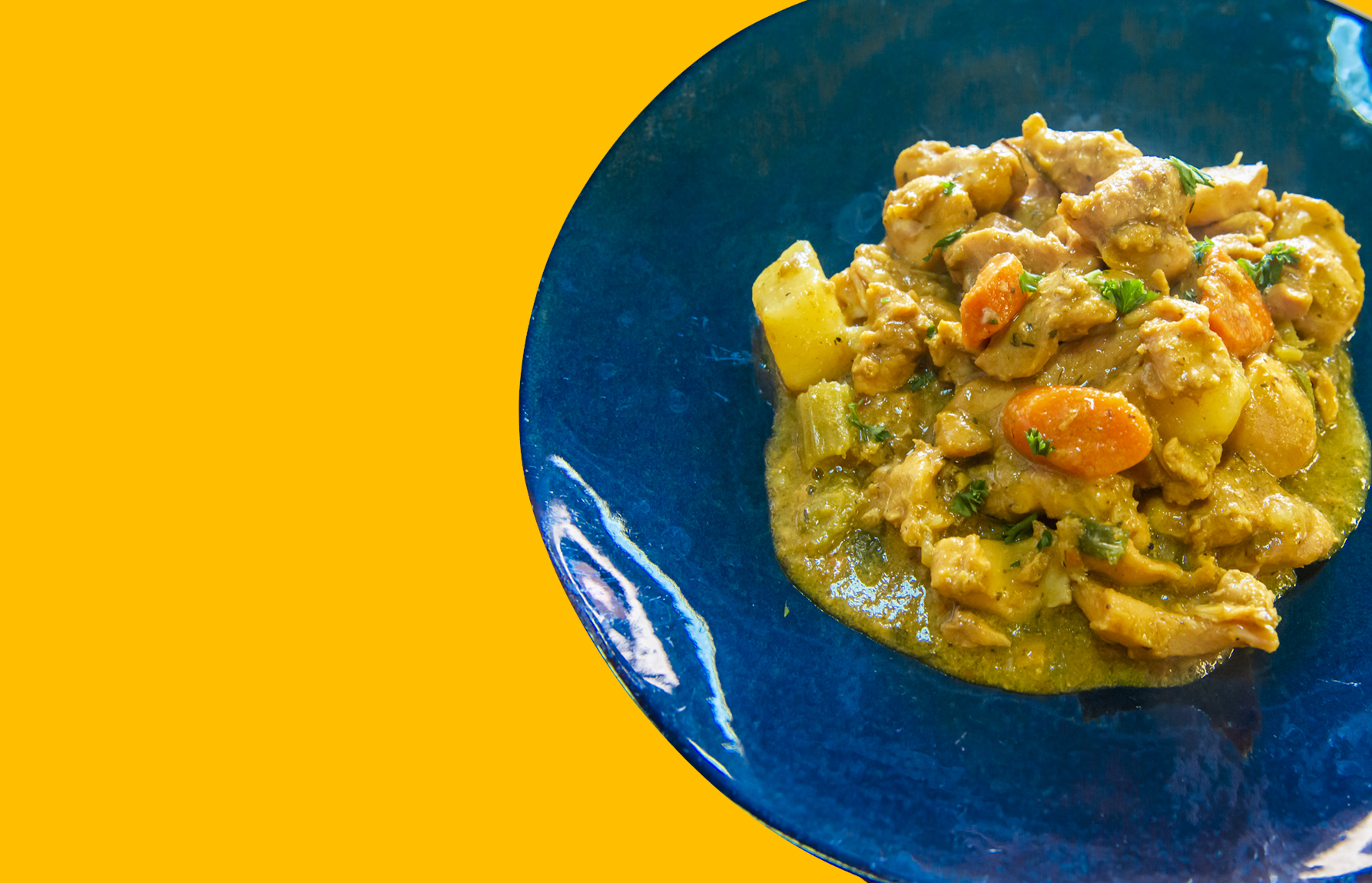
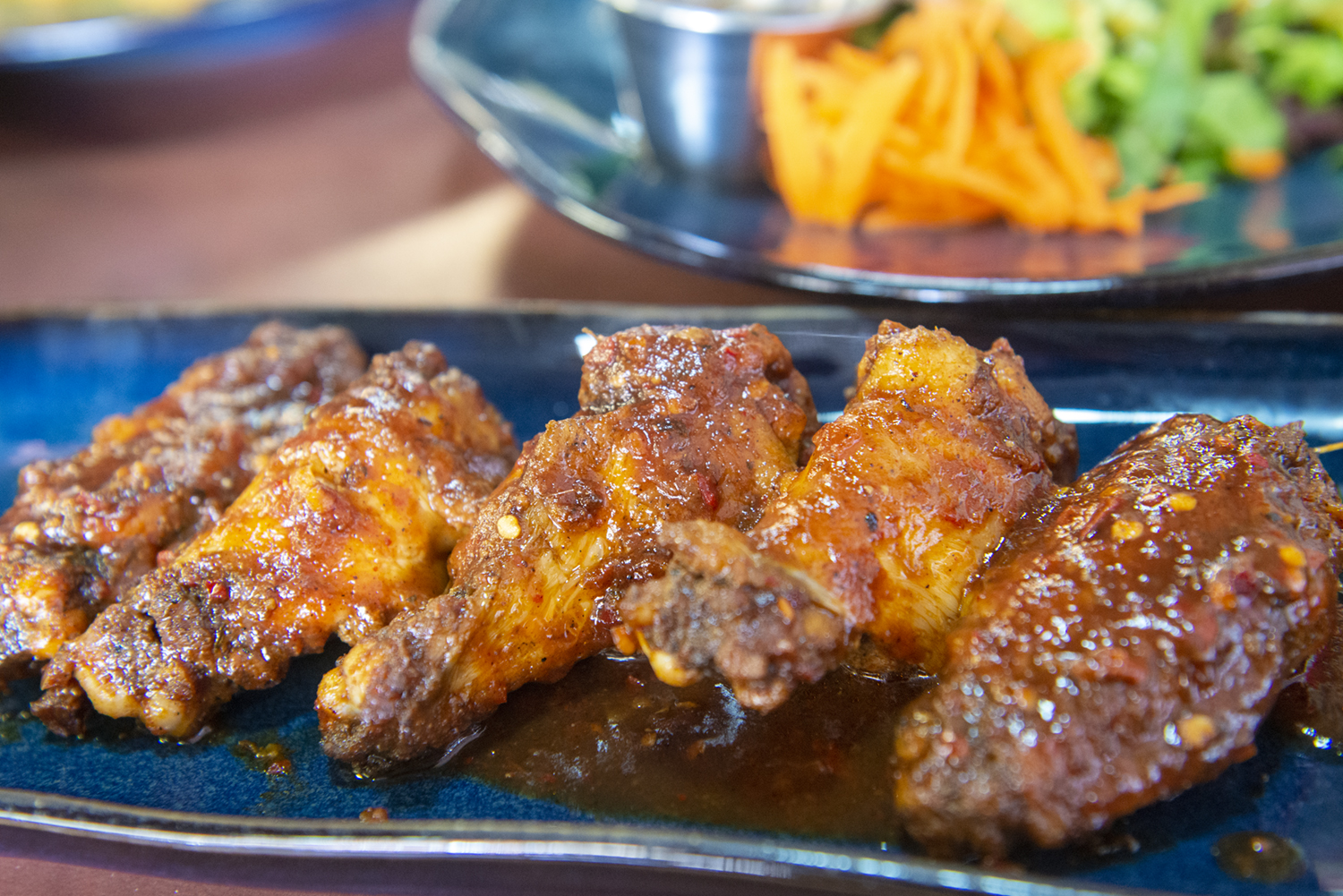
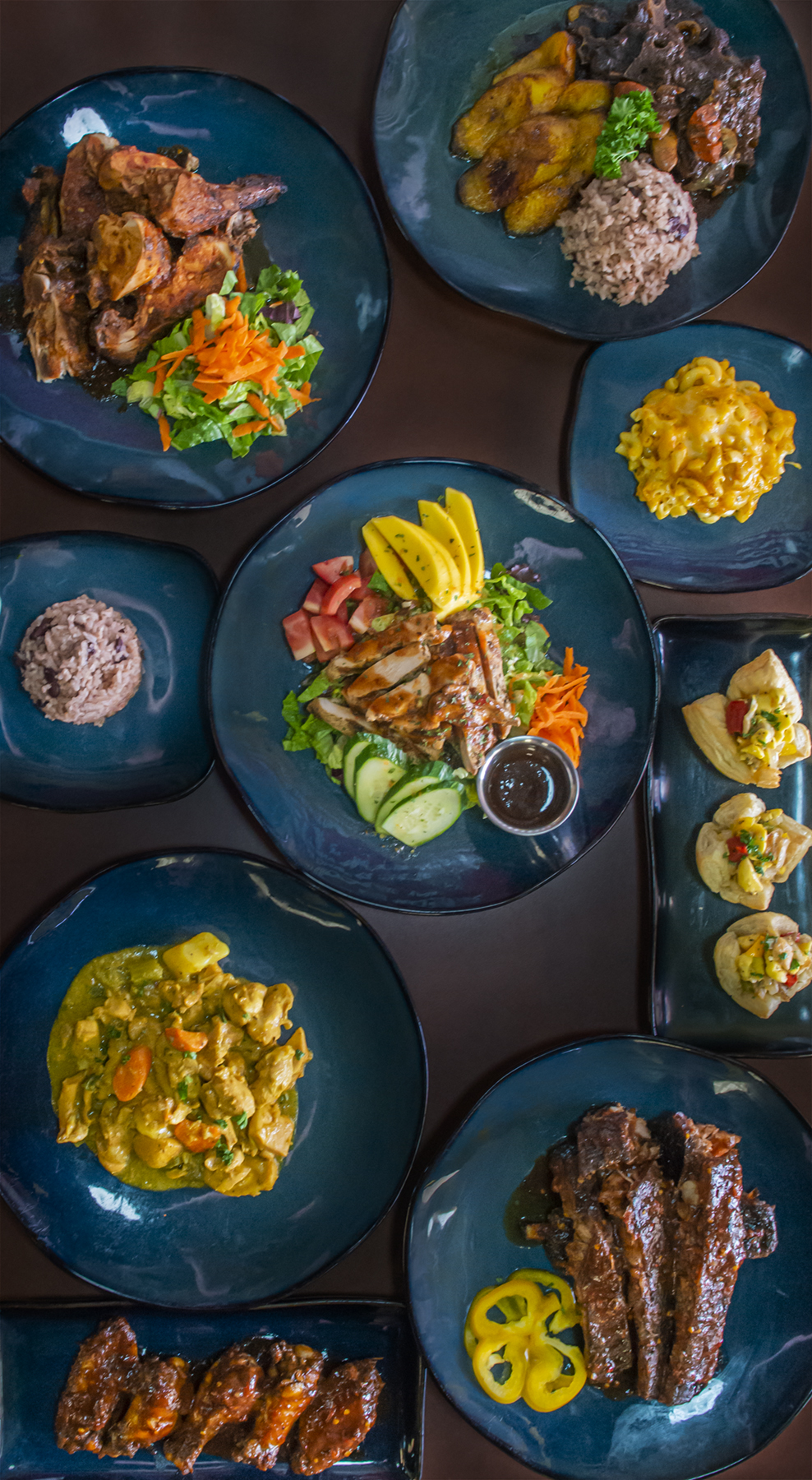
A hundred years is long enough for memory to turn into ritual. In the Caribbean, food does that work every day. It carries the smell of cane fields, fishing boats, market stalls, Sunday kitchens, roadside grills, and family tables where recipes are repeated until they feel older than the islands themselves. To talk about a caribbean food centennial is not to pin a single birthday on a region that has always been in motion. It is to mark a century of shared appetite, survival, adaptation, and pride through dishes that have come to define Caribbean life.
Anyone who has eaten widely across the islands knows the region cannot be reduced to one style of cooking. The Caribbean contains Spanish, French, British, Dutch, African, Indigenous, Indian, Chinese, Lebanese, and Creole influences, often in the same pot. Its food is seasoned by trade routes and migration as much as by thyme, scotch bonnet, allspice, culantro, and sour orange. Rice may sit beside peas in Jamaica, pigeon peas in Puerto Rico, black beans in Cuba, or callaloo in Trinidad. Salt cod shows up in fritters, breakfast sautés, and festive spreads, a reminder that preserved fish once traveled farther and lasted longer than fresh catch. Plantains move through the whole region, fried green, boiled, mashed, baked sweet, or cooked twice until they crackle at the edges.
The dishes people return to, the ones that get argued over with real feeling, are rarely important only because they taste good. They matter because they answer practical needs. They feed large families. They stretch expensive protein with rice, tubers, or dumplings. They preserve what is seasonal. They transform hard times into abundance through skill. They absorb influence without losing local character. That is why a celebration framed as a caribbean food centennial lands so well. It recognizes not just famous plates, but the generations of cooks who made them indispensable.
A region built in the pot
The deeper you go into Caribbean cooking, the more clearly you see that many defining dishes begin with constraint. Plantation economies distorted agriculture, colonial imports reshaped taste, and uneven access to land or livestock forced cooks to improvise. The result was not a lesser cuisine. It was an extraordinarily resourceful one.
Salted meat and fish became foundational because they were durable. Rice became central because it was filling and transportable. Ground provisions such as yam, cassava, taro, sweet potato, and green banana fed households when wheat was scarce or expensive. Legumes gave body to soups and stews. Pepper sauces preserved heat in a bottle. Marinades pulled flavor into tougher cuts. Slow cooking made the most of every ingredient.
This history sits quietly behind dishes that now feel celebratory. A bowl of pelau at a lime in Trinidad can be festive and casual at once. A Jamaican Sunday dinner with rice and peas, stewed chicken, and fried plantain may read as comfort food, but it also reflects a long habit of building fullness from pantry staples and careful seasoning. Puerto Rican arroz con gandules appears on holiday tables with fanfare, yet its structure is humble and sensible, rice carrying pigeon peas and pork into something that can feed many mouths.
That balance between necessity and pleasure may be the most Caribbean trait of all. The food rarely separates the practical from the delicious.
Jamaica’s great signatures, heat, smoke, and slow depth
Jamaica’s food has a way of announcing itself from a distance. You smell pimento wood smoke before you see the jerk pan. Scotch bonnet lifts into the air. A cook turns chicken quarters or pork over open flame, basting as the surface darkens. Jerk is one of the region’s most recognized contributions to the world, but its power lies in more than heat. Proper jerk is layered. Allspice and thyme bring perfume. Ginger adds brightness. Garlic and scallion round it out. The spice paste penetrates deeply if the meat has time, and time matters.
What many visitors miss is that jerk belongs to a larger Jamaican table. It is not a lone star. Ackee and saltfish, often considered the national dish, says even more about the island’s history. Ackee, with its delicate, buttery texture, looks almost like scrambled egg when cooked, but tastes subtler, softer, and faintly nutty. Saltfish brings salinity and firmness. Tomato, onion, sweet pepper, thyme, and black pepper tie the dish together. Served with roasted breadfruit, fried dumplings, or boiled green banana, it becomes a breakfast that feels substantial without being heavy.
Then there is rice and peas, which outsiders often imagine as simple. It is not. A good pot depends on proportion, on coconut milk that enriches without drowning, on thyme that reads clearly but does not overpower, and on enough simmering for the grains to take in the stock. Kidney beans are common in Jamaica despite the name. The dish’s beauty comes from restraint. If the rice is greasy, too soft, or underseasoned, the whole plate loses balance.
I once watched a cook in St. Catherine refuse to rush a pot that everyone thought was finished. She lifted the lid, inhaled, stirred once, and said it needed “ten more minutes for the coconut to settle.” That phrase stayed with me because it captures something experienced Caribbean cooks know in their bones. Flavor is not only ingredients. It is timing, steam, absorption, rest.
Trinidad and Tobago, where the table moves fast and thinks globally
If Jamaica often announces itself through smoke and spice, Trinidad and Tobago pulls you in through range. The islands carry one of the clearest examples of how migration shaped Caribbean food. Indian indentured laborers changed the everyday palate in ways that are now impossible to separate from national identity. Doubles might be the finest expression of that legacy. Two soft bara, lightly fried and tender, hold curried channa with tamarind, pepper, kuchela, and often a scatter of cucumber or chutney. Eaten standing up or leaning over a paper wrapper, doubles are street food at its most efficient and satisfying.
Good doubles depend on texture more than people realize. The bara should have enough give to soak up sauce without collapsing. The channa should be thick, but not stodgy. The tamarind must sharpen the richness, and the pepper has to wake the whole thing up. When it works, the eating is almost rhythmic, messy but controlled. When it misses, usually because the bara is too greasy or the fillings are timid, the magic disappears quickly.
Roti in Trinidad is another point of pride, and locals rightly debate style with seriousness. Buss up shut, dhalpuri, and paratha each bring different pleasures. Wrapped around curried goat, chicken, shrimp, or vegetables, roti is a meal and a method. It turns a curry into something portable, democratic, and deeply comforting. The curry itself reflects Indian roots, but local ingredients and habits make it distinctly Trinidadian. Caribbean green seasoning, culantro, hot pepper, and the handling of pumpkin or chickpeas all shift the profile.
Pelau deserves its own respect. It is one of the region’s smartest one-pot dishes, usually combining rice, pigeon peas, meat, coconut milk, and caramelized sugar for color and depth. Many households treat pelau as casual food, ideal for beach days or weekend gatherings, but a really well-made pelau is technically demanding. Caramel can burn in seconds. Rice can go from separate to mushy if the liquid ratio slips. Meat needs enough browning to hold its own against coconut and peas. The best versions taste dark, savory, and faintly sweet, with each grain carrying the pot’s full history.
Puerto Rico and the language of sofrito
Puerto Rican cooking is impossible to understand without sofrito. That aromatic base, often built from ají dulce, onion, garlic, culantro, cilantro, and peppers, gives structure to much of the island’s food. It is not just a flavoring. It is a grammar. Once you recognize it, dishes like arroz con gandules, habichuelas guisadas, and stewed meats reveal their family resemblance.
Arroz con gandules is among the most beloved rice dishes in the Caribbean, especially on holiday tables. Pigeon peas bring earthy sweetness, while pork, often in the form of ham, salt pork, or sausage, adds richness and smoke. Annatto-tinted oil gives the rice a warm color. The best versions arrive with separate grains that still hold enough moisture to feel luxurious. Too often, outside Puerto Rico, the dish gets reduced to a side. On the island, and in diaspora kitchens, it is more than that. It is one of the plates that tells you a celebration is real.
Mofongo reveals another side of Puerto Rican genius. Green plantains are fried, then mashed with garlic, pork cracklings or broth, and seasoning until they become dense, fragrant, and savory. It can be served as a mound, stuffed, or accompanied by shrimp, chicken, or broth. The danger with mofongo is dryness. The reward, when done well, is extraordinary. The plantain keeps its earthy depth while absorbing pork, garlic, and stock. It eats like a dish born of labor and hospitality at the same time.
Lechón, especially in towns famous for whole roasted pig, shows Puerto Rico’s flair for spectacle. Crisp skin matters, but seasoned flesh matters more. The marinade must reach inside. Oregano, garlic, black pepper, adobo, and citrus carry through if the roast is handled patiently. On feast days, the sight of lechón on a table is enough to gather people before a word is spoken.
Cuba, the dignity of slow-cooked staples
Cuban food often gets described in simpler terms than it deserves. That is partly because many of its most recognizable dishes are built from common ingredients, beans, rice, pork, citrus, onion, garlic, cumin. Yet simplicity is not the same as plainness. Cuban cooks understand the value of patient seasoning and layered braising.
Ropa vieja, with shredded beef simmered in a tomato-based sauce with peppers and onions, is a prime example. The meat needs enough time to soften fully, but it also needs to retain some thread and chew. Too tender, and it loses character. Served with white rice, black beans, and plantains, it becomes a meal that is balanced in both color and appetite.
Moros y cristianos, rice cooked with black beans, turns pantry staples into something coherent and deeply satisfying. Yuca con mojo is similarly direct, cassava dressed with garlic, citrus, and oil. The dish succeeds because cassava’s plain sturdiness gives the sharp, aromatic mojo somewhere to land. Roast pork, often marinated in sour orange and garlic, rounds out the Cuban table with a flavor profile that is unmistakable once you know it.
What stands out in Cuban food is a confidence in letting a few elements carry the meal. There is no need to crowd the plate when the beans are right, the pork is juicy, and the rice does what it should.
The Dominican Republic, everyday abundance on one plate
In the Dominican Republic, food often expresses itself through completeness. La bandera, commonly made up of rice, beans, meat, and salad, is everyday eating elevated by consistency and proportion. Its name, “the flag,” signals how deeply the meal belongs to national identity. There is nothing fussy about it. That is part of its strength. A well-made plate can sustain a worker through the afternoon and still feel homey enough for a family lunch.
Sancocho may be the Dominican dish that best captures collective cooking. Thick with multiple meats and ground provisions, it is less a soup than an event. During gatherings, you can often tell who is experienced by how they handle the balance. Too many starches, and it turns dull. Too much meat without enough broth, and it becomes heavy. The point is harmony, with each root vegetable offering its texture while the meats deepen the stock.
Mangú, mashed green plantains often served with sautéed red onions, eggs, cheese, or salami, is another classic that proves breakfast in the Caribbean is rarely an afterthought. It is fortifying, affordable, and rooted in ingredients that have long sustained households.
Lesser Antilles classics, small islands, big authority
The smaller islands are sometimes overshadowed in broad discussions of Caribbean food, which is a mistake. Barbados, Saint Lucia, Grenada, Antigua, Dominica, and others each contribute dishes that deserve regional stature.
Barbados is inseparable from cou-cou and flying fish, a pairing that speaks to sea, cornmeal, and okra all at once. The cou-cou must be smooth and firm, stirred with practiced strength until it turns silky rather than lumpy. Flying fish, often steamed or fried with a tomato-based sauce, brings delicacy and sweetness. Pepperpot also has a place on Bajan tables, dark and rich, with a depth that rewards slow cooking.
In Saint Lucia and Dominica, green fig and saltfish appears in forms that make perfect sense once you taste them. Green fig, the local term for green banana, gives density and comfort, while saltfish adds punch. Oil down in Grenada, thick with breadfruit, callaloo, coconut milk, salted meat or fish, dumplings, and spices, may be one of the region’s most complete pot dishes. It is both practical and lush, the sort of meal that tells you everything about island abundance and thrift at once.
A caribbean food centennial worth the name should make room for these less exported dishes, because regional identity is not built only on what travelers recognize. It is built on what communities keep cooking for themselves.
Ingredients that cross borders and change their accent
Part of what makes Caribbean food so compelling is that the same ingredient can speak with a different accent on each island. Plantain is a perfect example. In Puerto Rico, it becomes mofongo or tostones. In Cuba, maduros and tostones flank roast pork and beans. In Jamaica, fried ripe plantain sweetens spicy mains. In the eastern Caribbean, green bananas are boiled and served with saltfish, stews, or cocoa tea breakfasts.
Salt caribbean food centennial cod tells a similar story. Once a trade staple, it settled into regional cooking so thoroughly that many people now think of it as local without contradiction. It appears in fritters, sautéed breakfasts, stuffed bakes, and mixed provisions. Rice, beans, cassava, yam, and coconut milk all travel widely too, but they never taste generic. Technique and seasoning localize them.
These ingredients do not flatten difference. They reveal it.
What defines a truly beloved Caribbean dish
Not every traditional food becomes emblematic. The dishes that last tend to share a few qualities:
- They feed more people than their ingredient cost suggests.
- They adapt to local produce, weather, and income without losing identity.
- They taste good at family scale, not only in restaurant portions.
- They hold memory, often tied to Sunday meals, holidays, wakes, beach trips, or Carnival.
- They reward technique, which keeps older cooks authoritative and younger cooks curious.
That last point matters. Caribbean cuisine values hand skill. Anyone can read a recipe for curry goat, callaloo, or peas soup. Fewer can judge when the pot has reduced enough, when coconut milk needs another few minutes, or when a Scotch bonnet should be left whole rather than split. Those decisions do not always show up in measurements, but they define the finished dish.
Diaspora kitchens and the problem of substitution
Caribbean food has never stayed inside the region. Migration carried recipes to London, Toronto, New York, Miami, caribbean food centennial Amsterdam, and beyond. That movement kept traditions alive, but it also introduced compromise. Scotch bonnet may be replaced with habanero. Fresh culantro might be hard to find. Sour orange often gives way to lime and regular orange juice. Breadfruit can be seasonal or unavailable. Saltfish quality varies. Even the rice can behave differently in colder, drier climates.
Experienced diaspora cooks learn where substitution is acceptable and where it changes the dish too much. Habanero can stand in for Scotch bonnet heat, but not exactly for aroma. Culantro is difficult to fake. Canned pigeon peas are practical, though their texture differs from fresh. Frozen ackee can work well enough if handled gently. The point is not purism for its own sake. It is knowing which compromises preserve the soul of the dish and which ones only imitate it.
Restaurants face this challenge at a commercial level. A chef serving jerk in a city with strict fire regulations may not have pimento wood or open flame. That shifts the result. A roti shop working with high rent may trim fillings or speed dough handling. Customers notice. Caribbean food asks for labor, marinating, braising, pounding, simmering, frying in sequence, and that labor is harder to hide when shortcuts are taken.
Why these dishes endure
The most beloved Caribbean dishes endure because they are bigger than cuisine trends. They do not depend on novelty. They survive by being useful, adaptable, and emotionally exact. They know when to comfort and when to celebrate. They can be cooked in huge pots for a crowd or scaled down for a weekday table. They meet people where they are.
There is also a sensory confidence in Caribbean cooking that gives it staying power. The region is unafraid of spice, acid, starch, smoke, salt, and sweetness on the same plate. That confidence reflects landscape and history. Tropical ingredients demand direct handling. Hard labor once demanded filling food. Diverse populations demanded exchange. The dishes that rose from those conditions still feel alive because they still answer real needs.
A centennial lens sharpens that truth. Over the past hundred years, Caribbean food has moved from household necessity to global cultural signal without losing its local loyalties. Jerk became international, but it still belongs to the roadside pan. Doubles traveled abroad, but it remains tied to morning hustle in Trinidad. Arroz con gandules can appear on a white tablecloth, yet it still tastes most at home at family gatherings. Oil down, sancocho, ackee and saltfish, cou-cou, pelau, mofongo, ropa vieja, la bandera, these are not museum pieces. They are living dishes.
If you want to understand the region, start with what people insist on cooking even when ingredients are costly, even when time is short, even when migration has carried them far from the nearest breadfruit tree or fish market. Those dishes define the Caribbean more truthfully than slogans ever could. They are the edible record of endurance, pleasure, and belonging, a hundred years deep and still unmistakably present.
Reggae Pot Jamaican Grill
Address: 7562 S University Blvd Unit C, Centennial, CO 80122
Phone: (303) 997-5623
FAQ About caribbean food centennial
What Jamaican dishes can I try in Centennial?
Reggae Pot Jamaican Grill serves Jamaican specialties such as jerk chicken, stewed oxtail, curry goat, and ackee and saltfish. Check the current menu for availability.
What is ackee and saltfish?
It is Jamaica’s national dish. The restaurant prepares ackee with salted cod, onions, thyme, tomatoes, garlic, black pepper, and pimento.
Can I order Jamaican food for pickup in Centennial?
Yes. Choose the Centennial location at 7562 S University Blvd Unit C when placing a takeout order.